
Why Balithings Exists
It was a Sunday afternoon in 2009. I was eight years old, sitting on the floor after finishing my favorite cartoon on our big, bulky television. That's when I heard a knock on the door.
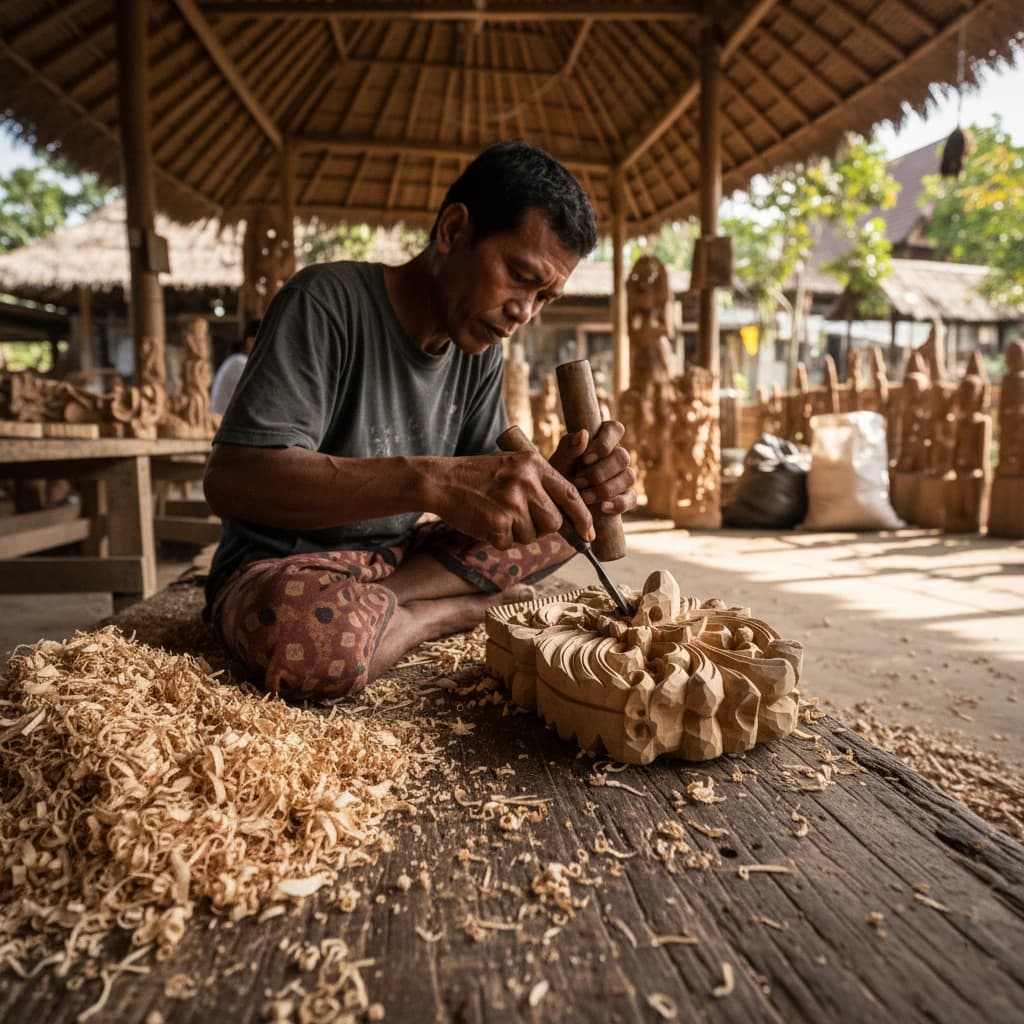
My uncle Jungka was standing outside, holding one of his wood carvings. He placed it in front of our house as a good luck charm. It was a lotus flower, carefully carved, detailed, and full of meaning. In Balinese culture, the lotus represents purity, rebirth, enlightenment, and resilience.
I was stunned. I knew he had spent hours working on it.
When my dad tried to pay him, Jungka refused immediately. "It's family," he said. Standing behind my dad, I asked him quietly, "Is it hard to carve something like that?" He shook his head and smiled.
"It's not hard," he said. "I think about you while I carve it. That makes me happy."
I smiled and said thank you. At the time, I didn't realize how much that moment would stay with me. More than twenty years later, that memory still feels vivid. As I grew older, I went to college and eventually worked abroad in the United States as a J-1 visa holder. For the first time, I saw the world outside Bali. I visited art exhibitions, museums, and cultural preservation sites. I watched people pay just to see artwork — to admire it, study it, and preserve it.
That's when something clicked.
When people live beyond basic survival, they begin to value beauty. They protect art. They invest in culture.
Back home in Bali, many of us are still focused on something far more urgent: making sure our families are fed. That's completely understandable. But when survival comes first for too long, art and tradition slowly move to the background. Talented artisans leave their craft for more stable work. Skills that took generations to build begin to disappear.
I thought back to Jungka and that lotus carving.
Balinese art isn't disappearing because it lacks beauty or meaning. It's disappearing because there isn't enough opportunity. Without a market, even the most beautiful traditions struggle to survive.
That's where the idea for Balithings was born.
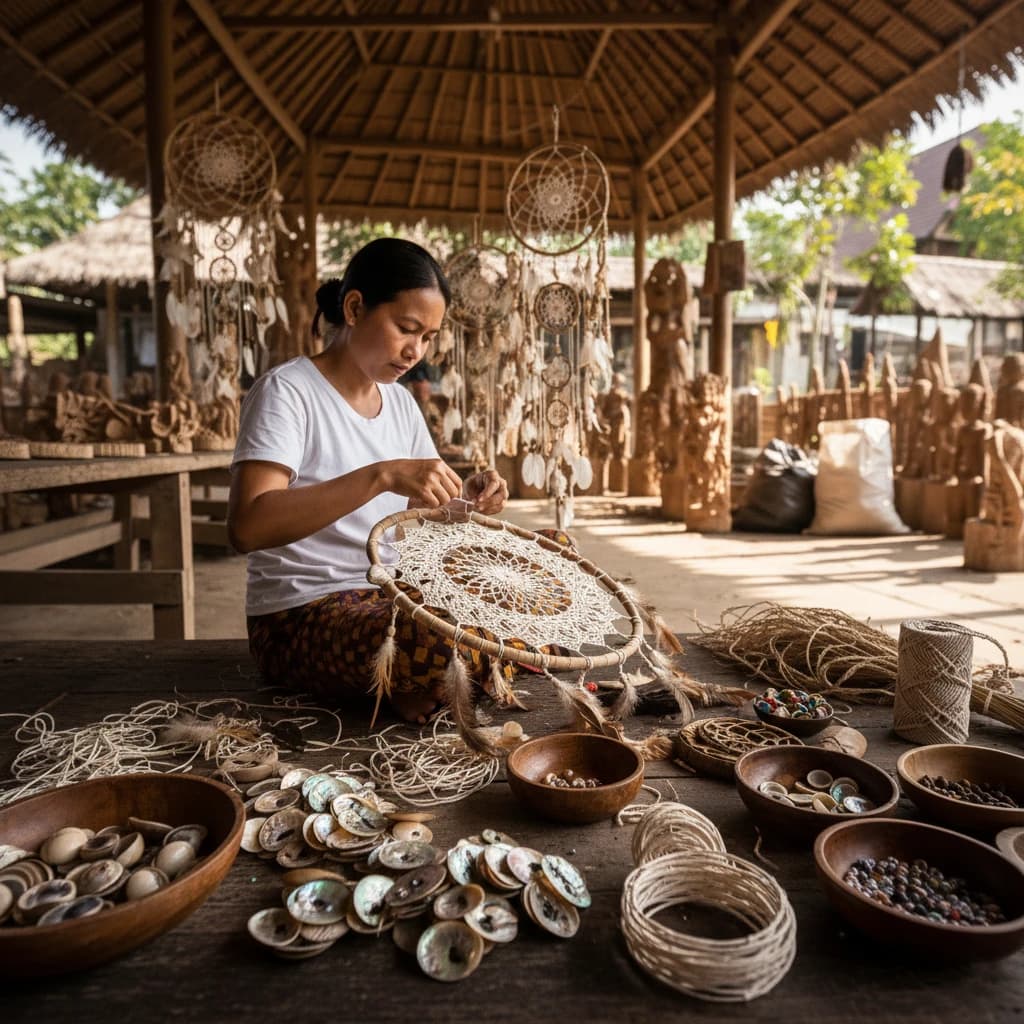
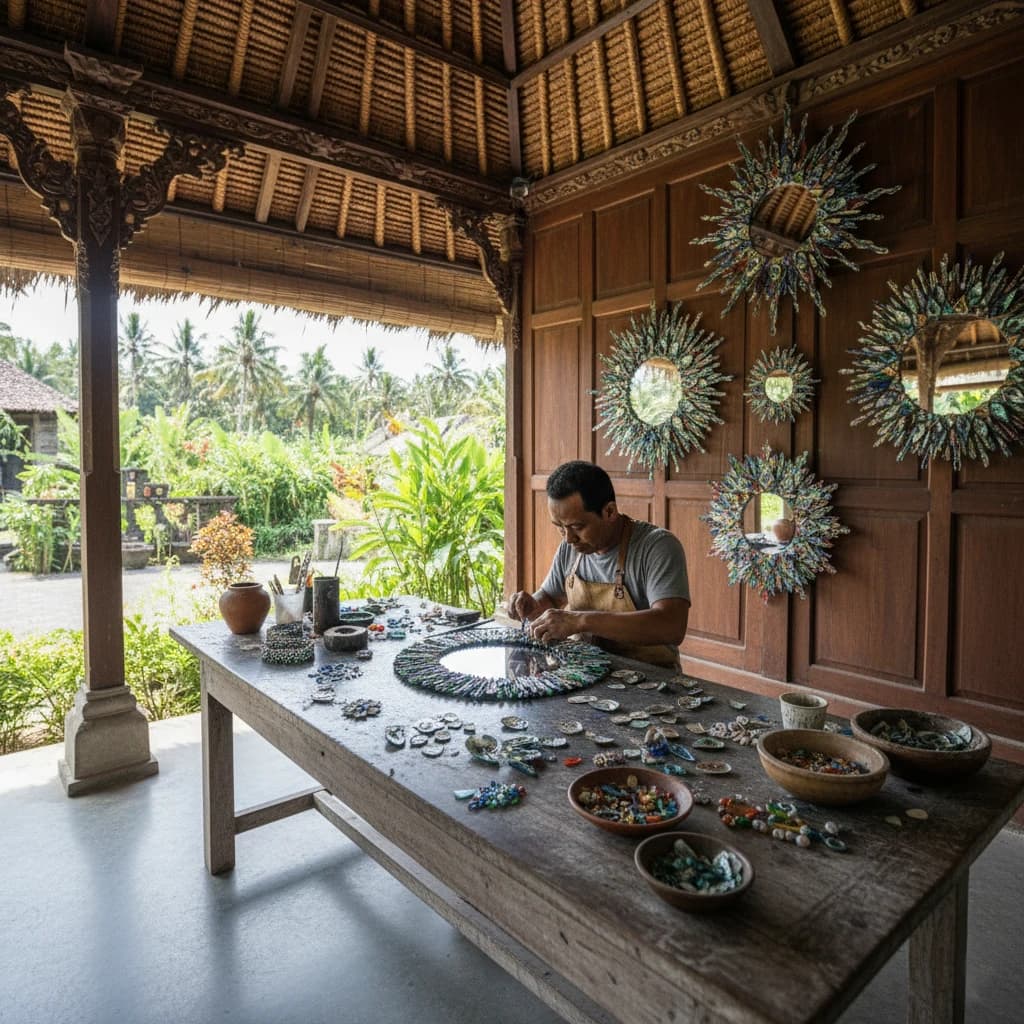
We believe the best way to preserve Balinese art is not by locking it in museums, but by letting it live in homes around the world. By creating access to a global market and offering fair pricing, artisans no longer have to choose between culture and survival. When craftsmanship can provide stability, it doesn't fade — it grows.
Balithings exists to make sure Balinese art doesn't just survive, but thrives.
So the next generation doesn't have to let go of what makes our culture beautiful.
Explore Related Products
Wood Carving
Hand-carved masterpieces from Balinese artisans using traditional techniques passed down through generations.
Browse Wood Carving